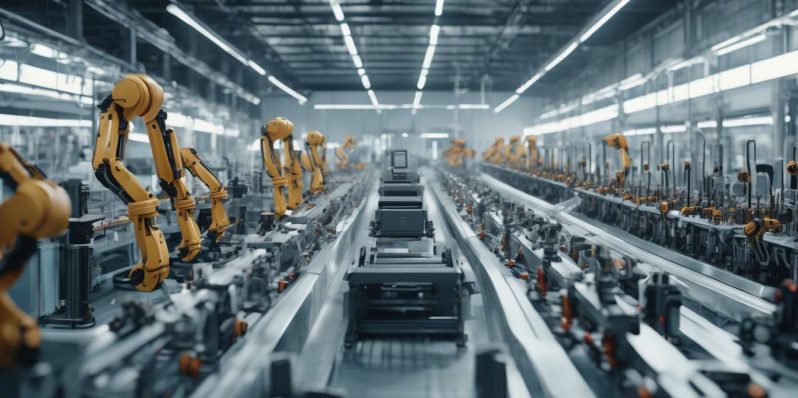
Many believe that smart industrial tools and assembly solutions are reserved for only the most advanced facilities, making them inaccessible to traditional manufacturing operations. This misconception overlooks the rapid democratization of technology in the industrial sector.
As automation and digital integration become more prevalent, a wider range of industries is embracing these innovations to enhance efficiency and productivity. Smart tools — including connected screwdrivers, robotic arms, and data-driven assembly lines — are no longer the exclusive domain of large corporations; small and medium enterprises are increasingly integrating these technologies into their workflows.
The result is a transformation in how products are assembled, with real-time data and precise automation driving a new era of manufacturing. These advancements not only streamline operations but also contribute to:
- Improved quality control
- Reduced operational costs
The shift towards smart solutions underscores a pivotal change in modern industry, dispelling myths about the exclusivity of these technological advancements.
Here you will get the information you need to understand how these tools can be integrated into your own manufacturing processes, regardless of your company’s size.
The Evolution of Industrial Tools
Over the decades, industrial tools have evolved dramatically, incorporating cutting-edge technology to enhance efficiency and precision in manufacturing processes.
Initially, these tools depended heavily on manual operation, which often resulted in variability and inefficiency. However, the advent of automation has significantly transformed the landscape of industrial tools.
Automation has introduced machines capable of performing repetitive tasks with consistent accuracy, thereby:
- Reducing human error
- Increasing productivity
Furthermore, digitalization has played a critical role in advancing industrial tools. By integrating sophisticated software and sensors, digitalization has enabled:
- Real-time monitoring and control
- Enhanced precision and reliability in operations
These advancements have not only streamlined production processes but have also contributed to the creation of a more connected and efficient industrial environment.
The continuous integration of automation and digitalization into industrial tools ensures that manufacturing processes remain:
- Competitive
- Adaptable to changing demands
As a result, industries can achieve higher productivity levels while maintaining quality standards, ultimately solidifying their position in the global market.
Integration of Digital Solutions
In today’s industrial landscape, the integration of digital solutions is revolutionizing manufacturing by enabling seamless connectivity and data-driven decision-making. This transformation is characterized by the digitalization of processes, which enhances operational efficiency and fosters a collaborative environment within the industry.
Through digital platforms:
- Real-time data is harnessed.
- Predictive maintenance is facilitated.
- Downtime is reduced.
As a result, productivity is significantly improved, meeting the increasing demands of a competitive market.
The role of digital solutions is pivotal in advancing automation, offering a strategic advantage by optimizing resource allocation and minimizing human error. This shift towards a digitally integrated framework allows for more agile responses to market changes, ensuring that organizations remain at the forefront of industrial innovation.
Furthermore, digital tools contribute to a sustainable approach by:
- Optimizing energy consumption.
- Reducing waste.
- Aligning with global sustainability goals.
Embracing digitalization not only enhances productivity but also cultivates a sense of belonging among stakeholders, uniting them in a shared vision of progress and innovation.
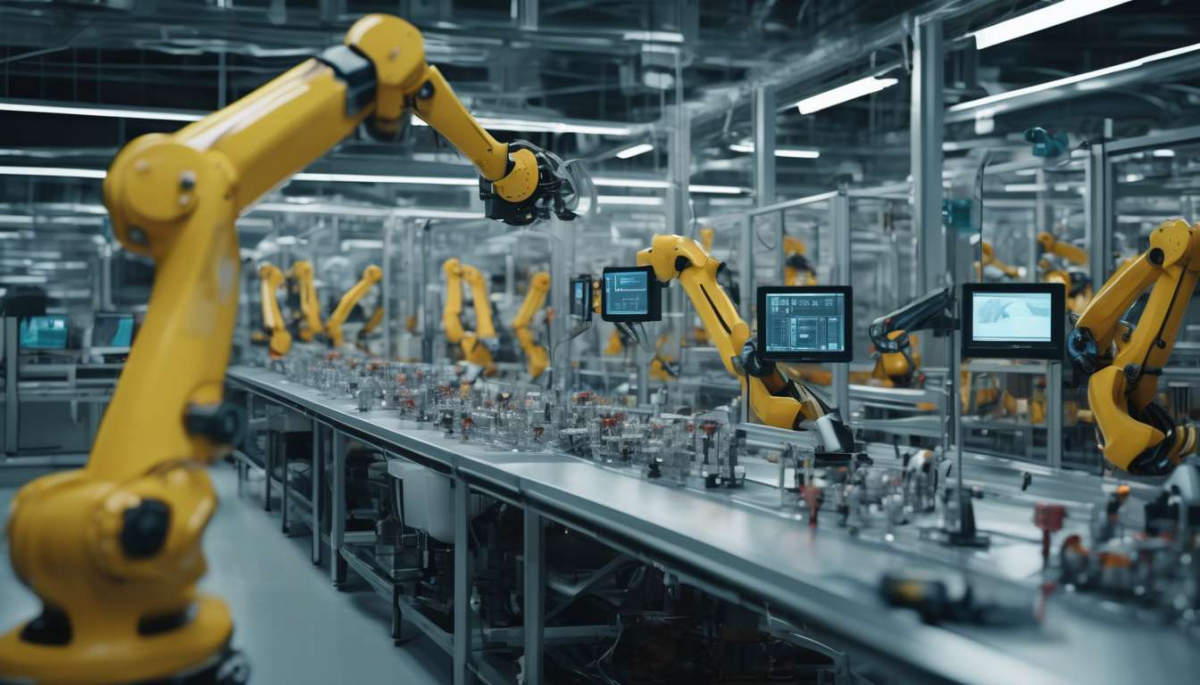
Automation in Modern Manufacturing
In modern manufacturing, cutting-edge technologies are transforming operations by streamlining processes and minimizing manual intervention.
Automation stands at the forefront of this transformation, integrating seamlessly with digitalization to enhance efficiency and consistency. By implementing automated systems, manufacturers can achieve significant reductions in human error, leading to improved quality control and operational reliability.
Digitalization further complements automation by enabling real-time data collection and analysis, which is crucial for informed decision-making and adaptive strategies.
The adoption of automation not only elevates productivity but also fosters a collaborative environment where human expertise and machine precision coexist harmoniously. As industries strive for continuous improvement, the blend of automation and digitalization creates a robust framework for sustainable growth.
This synergy ensures that manufacturing processes remain competitive and agile, responding swiftly to market demands and technological advancements.
By embracing these innovations, the manufacturing community strengthens its collective identity, fostering a sense of belonging within a rapidly evolving industrial landscape. Through this, a shared commitment to excellence and innovation is cultivated.
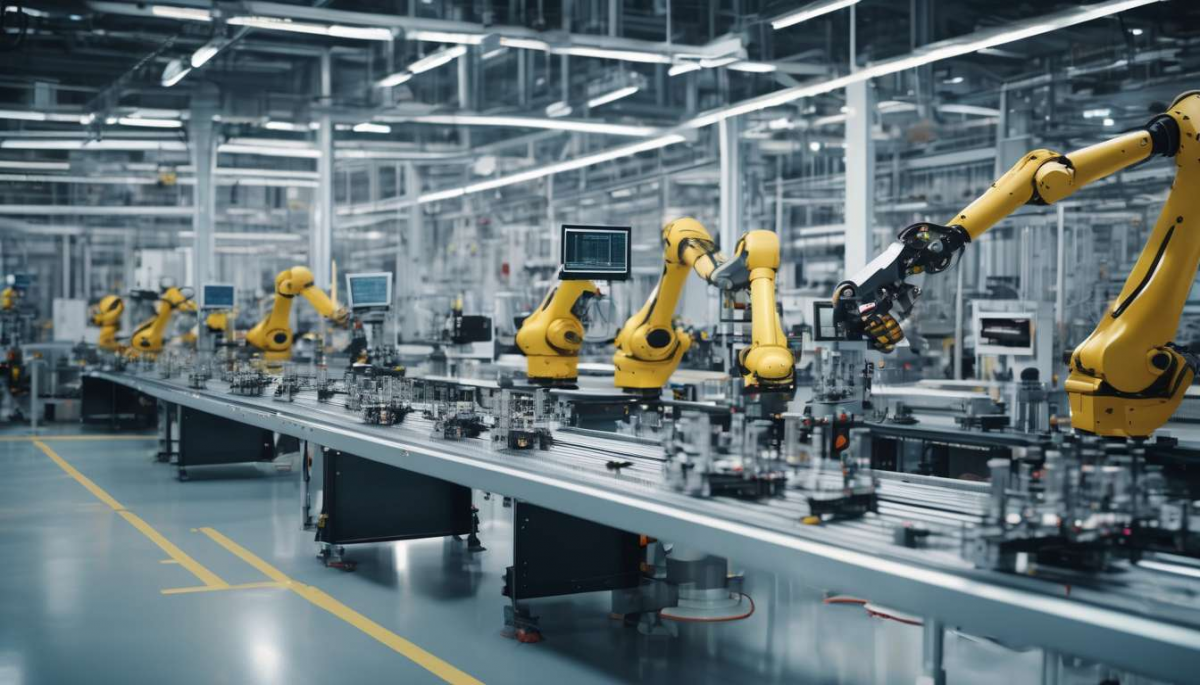
Enhancing Productivity Through Technology
Technological advancements are revolutionizing industrial productivity by optimizing processes and enabling more efficient resource management. Automation and digitalization are at the forefront of these innovations, driving substantial improvements.
Automation:
- Streamlines repetitive tasks
- Reduces human error
- Increases output consistency
This ensures that resources are allocated effectively and that production timelines are adhered to with precision.
Digitalization integrates cutting-edge technologies into manufacturing processes, such as:
- Internet of Things (IoT)
- Data analytics
These technologies allow for real-time monitoring and adjustments.
The synergy between automation and digitalization results in significant productivity enhancements:
- Automated systems offer seamless operations.
- Digital tools provide valuable insights into performance metrics, facilitating informed decision-making.
This cohesive approach creates a connected and collaborative industrial environment, fostering innovation and competitiveness.
Additionally, these advancements contribute to sustainable practices by:
- Minimizing waste
- Optimizing energy consumption
As industries continue to embrace these transformative technologies, productivity gains and resource efficiency will become integral components of modern manufacturing landscapes.
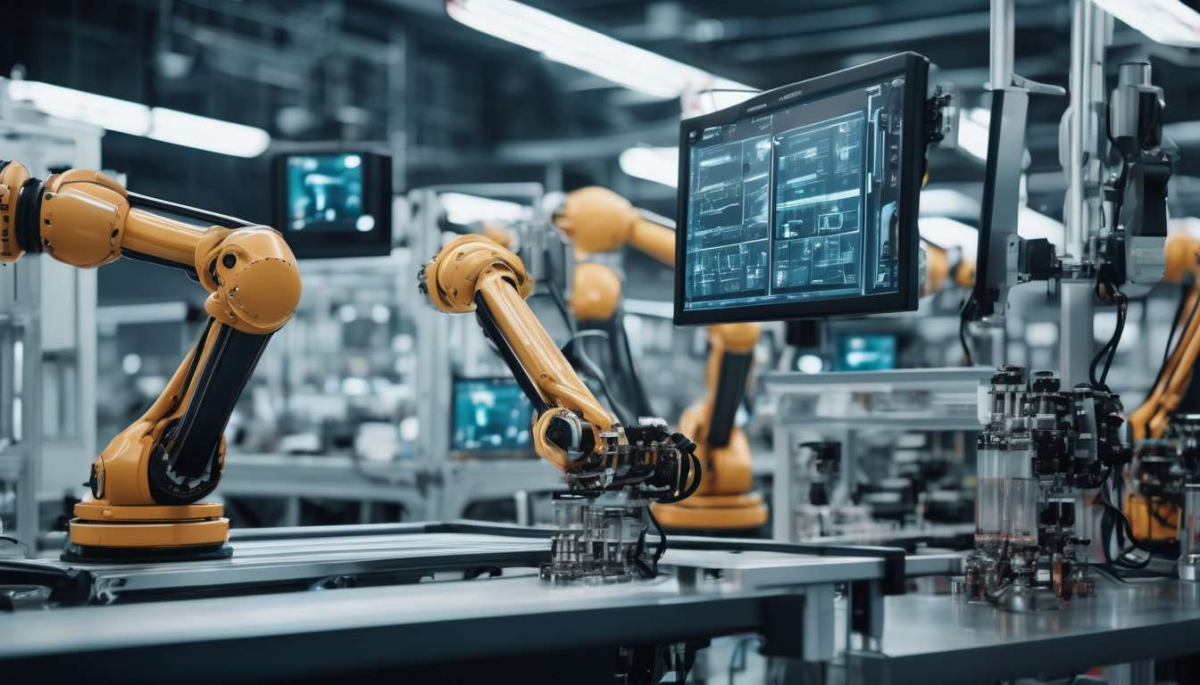
Democratization of Smart Tools
The widespread availability of smart industrial tools is leveling the playing field for businesses of all sizes, enabling access to advanced technologies that were once exclusive to large enterprises. This democratization of smart tools fosters an environment where innovation and progress are accessible to a broader range of industries.
Automation and digitalization have become key components in enhancing productivity, allowing even small and medium enterprises to compete effectively in the global market.
The integration of these technologies into operations facilitates:
- Streamlined processes
- Improved efficiency
These improvements contribute to a more cohesive industrial ecosystem.
Digital platforms offer scalable solutions, providing organizations with the flexibility to adapt to:
- Changing demands
- Technological advancements
The continuous evolution of smart tools ensures that businesses remain competitive while fostering a sense of community and shared progress within the industry.
As more entities embrace these technologies, the collective advancement promotes a culture of inclusivity and shared success, ultimately strengthening the industrial landscape as a whole.
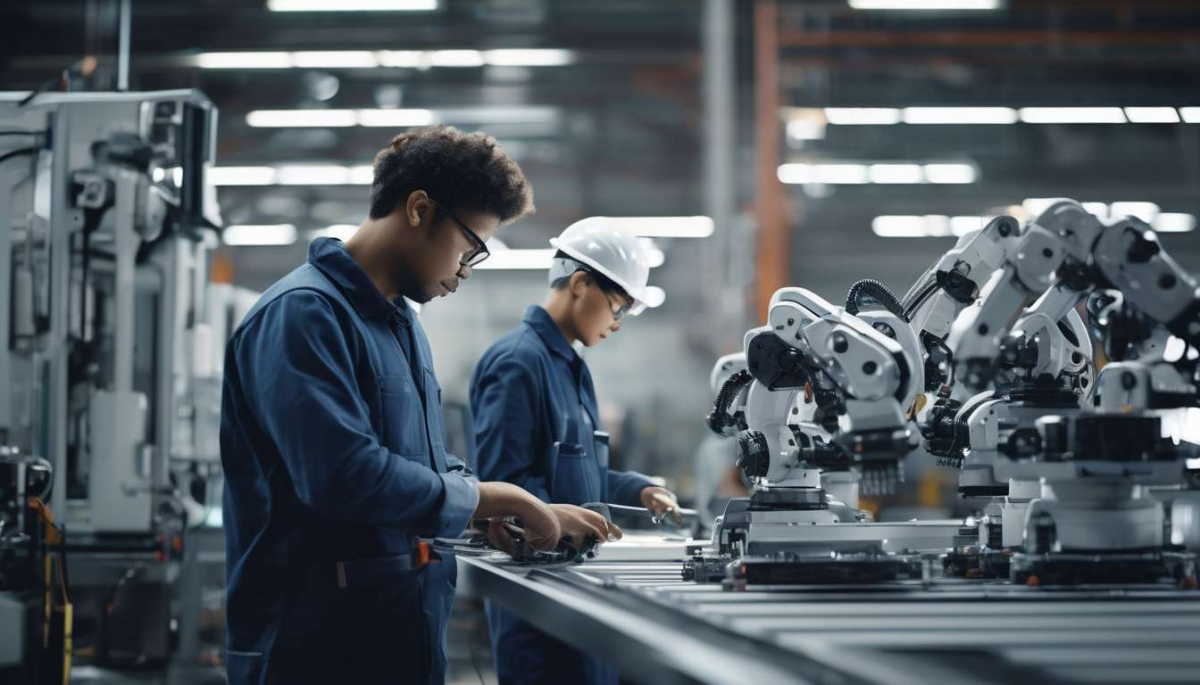
Benefits of Smart Assembly Solutions
Smart assembly solutions significantly enhance manufacturing processes by reducing error rates and increasing production speed.
Key Components:
-
Automation:
- Plays a pivotal role in achieving improvements by standardizing tasks.
- Minimizes human intervention, ensuring consistent output quality.
-
Digitalization:
- Provides real-time data analytics and insights.
- Streamlines operations and facilitates informed decision-making.
These advancements not only optimize resource utilization but also significantly boost productivity, creating a more efficient production environment.
In the competitive landscape of modern industry, the adoption of smart assembly solutions fosters a collaborative atmosphere where technological innovation and human expertise converge.
Benefits of Embracing Automation and Digitalization:
- Maintain a competitive edge.
- Meet the ever-evolving demands of the market.
- Enhance operational efficiency.
- Encourage a sense of unity and progress within the industrial community.
The seamless incorporation of these technologies into manufacturing processes underscores the potential of smart assembly solutions in shaping a sustainable and prosperous future for the industry.